
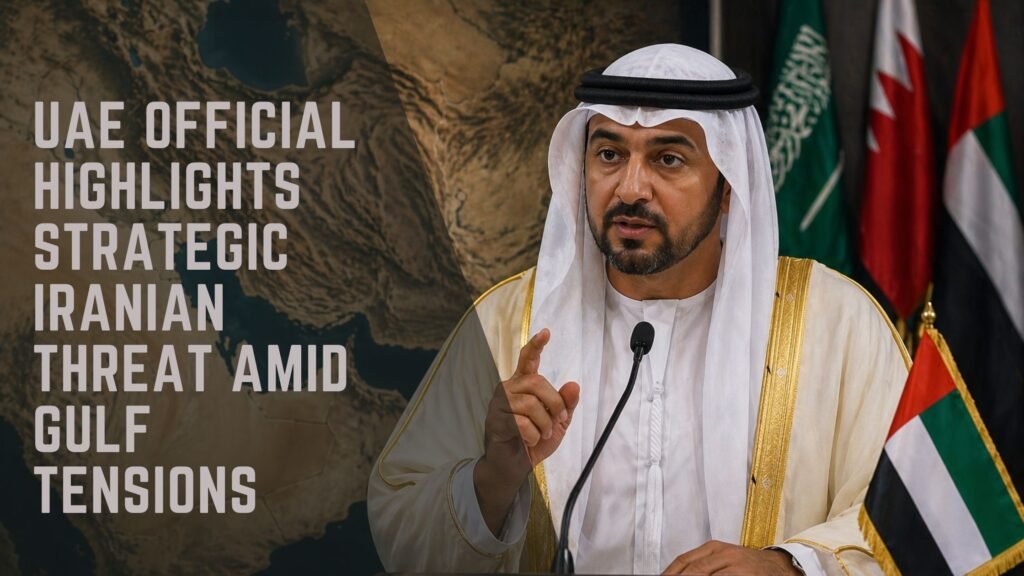
Gulf States Confront Iranian Aggression with Renewed Strategy
In a recent session titled “Reassessing Alliances in Times of Tension” at the Gulf Influencers Forum in Dubai, Dr. Anwar bin Mohammed Gargash, Diplomatic Advisor to the UAE President, outlined the strategic and premeditated nature of Iran’s aggressive policies towards its neighbors. His remarks underscored the escalating tensions in the Gulf region, despite efforts by Gulf states to avoid military confrontations.
Complex Dynamics of Gulf-Iran Relations
Dr. Gargash emphasized that Gulf nations have consistently aimed to maintain peace by ensuring their territories are not used as staging grounds for conflict against Iran. Nevertheless, he noted that Iran’s actions have been far from spontaneous, pointing to a deliberate strategy of aggression that exceeds previously anticipated levels.
The diplomatic advisor highlighted a critical review of containment policies with Iran, indicating that the current approach has failed to mitigate tensions. He stressed the need for a realistic and assertive narrative from Gulf states, moving away from previous overly cautious diplomatic tones.
Calls for Strengthened Gulf Cooperation
While logistical support among GCC countries remains strong, Gargash identified a shortfall in political and military collaboration. He expressed disappointment in the unified response from Gulf states, urging a reevaluation of alliances and a shift towards self-reliance and regional solidarity.
Dr. Gargash pointed out the longstanding search for a peaceful resolution in the region, emphasizing the importance of a political solution that accommodates the interests of all involved countries. He cautioned against the severe implications of Iran’s potential acquisition of nuclear capabilities, stressing that such a scenario would exacerbate the existing crisis of trust.
Strategic Reassessment and Future Prospects
According to Dr. Gargash, the path forward involves a pragmatic reassessment of the Gulf’s stance towards Iran. This involves acknowledging that post-aggression dynamics will necessitate a different approach, one that is rational and strategic rather than emotional.
He underscored the lessons learned from the current crisis, advocating for increased self-reliance, a restoration of Gulf unity, and an independent determination of the region’s future. These measures are crucial to ensuring that external influences do not dictate the Gulf’s trajectory.
Dr. Gargash concluded by emphasizing the extended timeline required to rebuild trust with Iran, even if diplomatic relations are reinstated. The focus, he argued, should remain on fostering regional cooperation and maintaining a realistic perspective on the geopolitical landscape.