
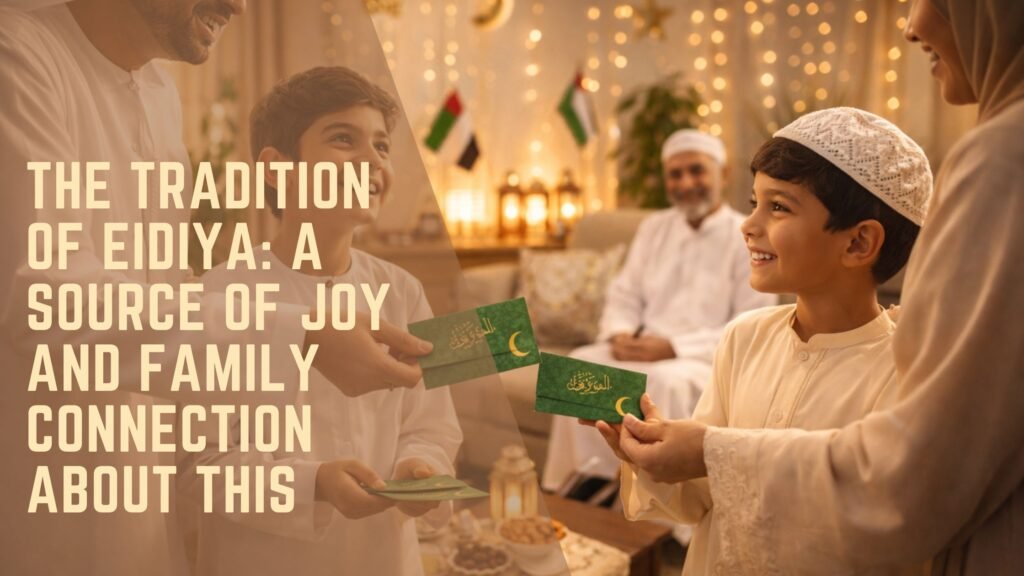
Understanding Eidiya: A Cultural Tradition
Eidiya, a cherished custom observed during festive occasions, brings with it an air of joy and celebration. Each year, families gather to commemorate these moments, strengthening their bonds while indulging in the happiness that accompanies such gatherings.
The Emotional Impact of Eidiya
During festive periods, the exchange of Eidiya not only serves as a gesture of goodwill but also triggers a physiological response in individuals. The act of giving and receiving these monetary gifts has been shown to stimulate the release of dopamine in the brain, which is often referred to as the ‘feel-good’ hormone. This biochemical reaction enhances feelings of happiness and satisfaction, making the celebrations even more special.
Strengthening Family Ties
Beyond the immediate joy that Eidiya brings, it plays a crucial role in fostering familial relationships. The tradition encourages family members to come together, share experiences, and create lasting memories. Elders often pass down the practice to younger generations, ensuring that the significance of Eidiya is preserved and appreciated.
Community Connections
Moreover, Eidiya extends its influence beyond the family unit; it is a means of reinforcing community ties. Neighbors and friends often exchange gifts, which helps cultivate a spirit of camaraderie and mutual support within local communities. This shared experience contributes to a sense of belonging and interconnectedness, which is vital in today’s fast-paced society.
The Economic Aspect of Eidiya
While the emotional and social benefits of Eidiya are profound, there is also an economic dimension to consider. The influx of Eidiya during festive seasons stimulates local economies, as recipients often use these funds for various purchases or to save for future needs. This not only boosts individual financial well-being but also supports local businesses and services during peak shopping times.
Preserving the Tradition
As society evolves, it is essential to ensure that the tradition of Eidiya remains relevant. Families are encouraged to adapt the practice in ways that resonate with contemporary values while still honoring its historical significance. Engaging younger generations in discussions about the importance of Eidiya can foster a deeper understanding and appreciation for this social custom.
Conclusion
In summary, Eidiya is more than just a financial gift; it is a powerful tradition that enhances emotional well-being, strengthens family ties, and fosters community connections. As we celebrate these joyful occasions, let us remember the deeper significance of Eidiya and work towards ensuring its continuity for future generations.