


Table of Contents
National Authority Issues Guidance on Early Warning Systems
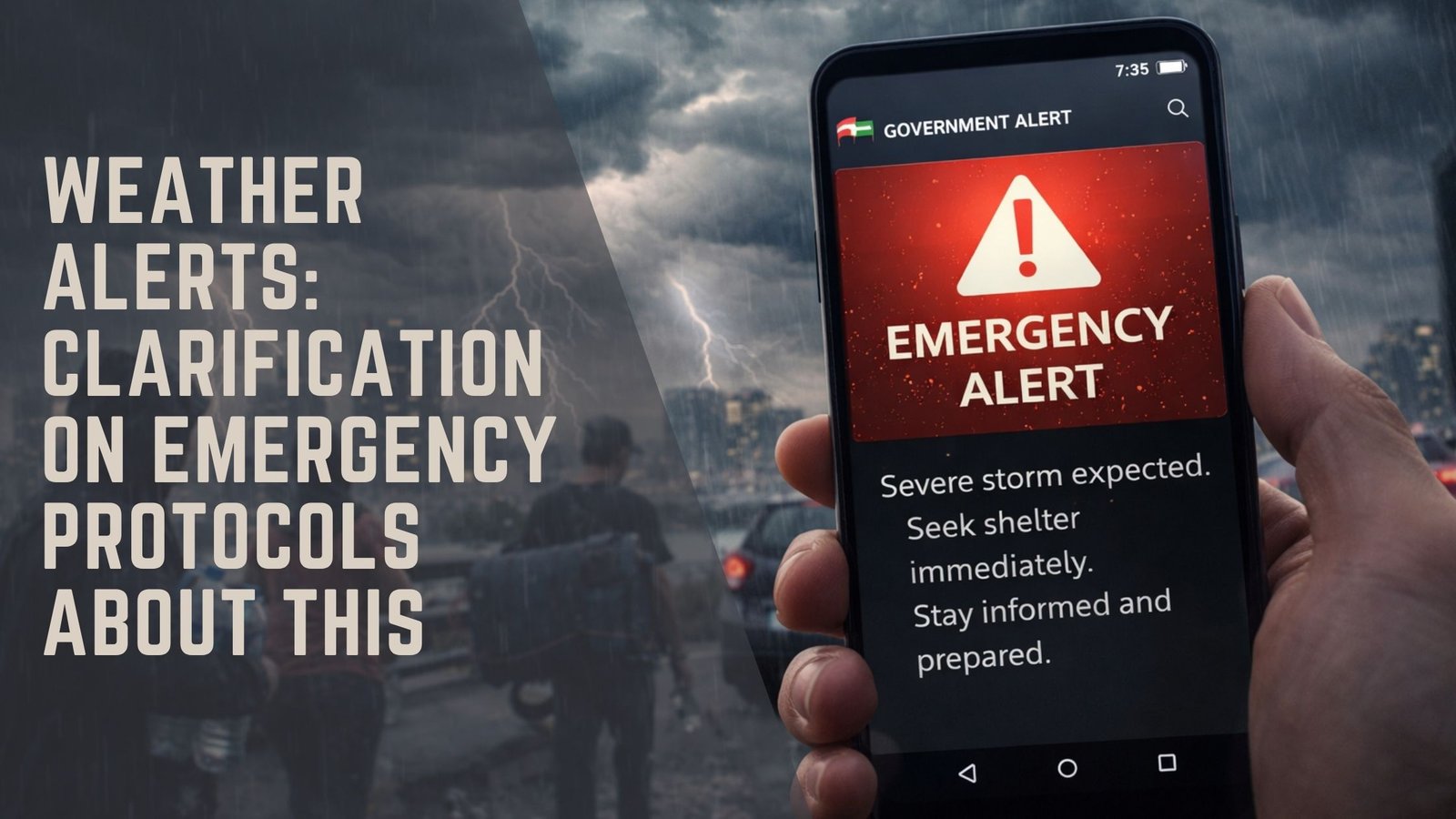
The National Emergency, Crisis and Disaster Management Authority has released new guidelines regarding the use of the national early warning system amid fluctuating weather conditions. The guidance emphasizes the importance of not associating weather changes with other unrelated threats.
Understanding the Early Warning System
The national early warning system is a critical component of the country’s emergency response strategy. It is designed to provide timely alerts to the public about severe weather conditions, enabling individuals and communities to take necessary precautions. The system employs a range of communication channels, including SMS alerts, social media updates, and local media broadcasts, to ensure widespread dissemination of information.
The recent guidelines aim to reinforce public understanding of the system’s purpose and operation. By clarifying the nature of alerts and the specific conditions they address, the authority seeks to prevent misinformation and unnecessary panic. The guidance underscores that the alerts are strictly related to weather phenomena and not indicative of any other potential security threats.
Response Measures and Public Cooperation
In its statement, the authority stressed the importance of public cooperation with emergency protocols. Citizens are encouraged to stay informed through official channels and follow instructions issued by relevant authorities. The guidelines also advise the public to remain calm during alerts and to verify information through credible sources before sharing it with others.
Public cooperation is vital in ensuring the effectiveness of the early warning system. By adhering to the guidelines, individuals can contribute to a more organized and efficient emergency response, minimizing risks and enhancing community resilience.
Technological Enhancements and Future Plans
The authority is continually working to enhance the capabilities of the early warning system. This includes integrating advanced technologies such as real-time data analytics and artificial intelligence to improve the accuracy and speed of alerts. These technological advancements are part of a broader strategy to strengthen the country’s preparedness for natural disasters and other emergencies.
Future plans also involve expanding the reach of the warning system to cover more remote areas. By ensuring that all communities have access to timely alerts, the authority aims to create a comprehensive safety net that protects citizens across the nation.
Public Awareness and Education Initiatives
In addition to technological enhancements, the authority is focusing on public education initiatives to raise awareness about the early warning system. Workshops, seminars, and community programs are being organized to educate the public on how to respond effectively to alerts and what precautions to take during severe weather events.
These initiatives are designed to empower citizens with the knowledge and skills needed to navigate emergency situations safely. By fostering a culture of preparedness, the authority hopes to reduce the impact of disasters and enhance overall public safety.
Conclusion
As weather patterns become increasingly unpredictable, the role of the national early warning system becomes ever more crucial. The recently issued guidelines serve as a timely reminder of the importance of staying informed and prepared. By adhering to the recommended protocols and supporting ongoing efforts to improve the system, citizens can play a pivotal role in enhancing national resilience to emergencies.
