


Table of Contents
Severe Weather Conditions Trigger Floods and Road Closures
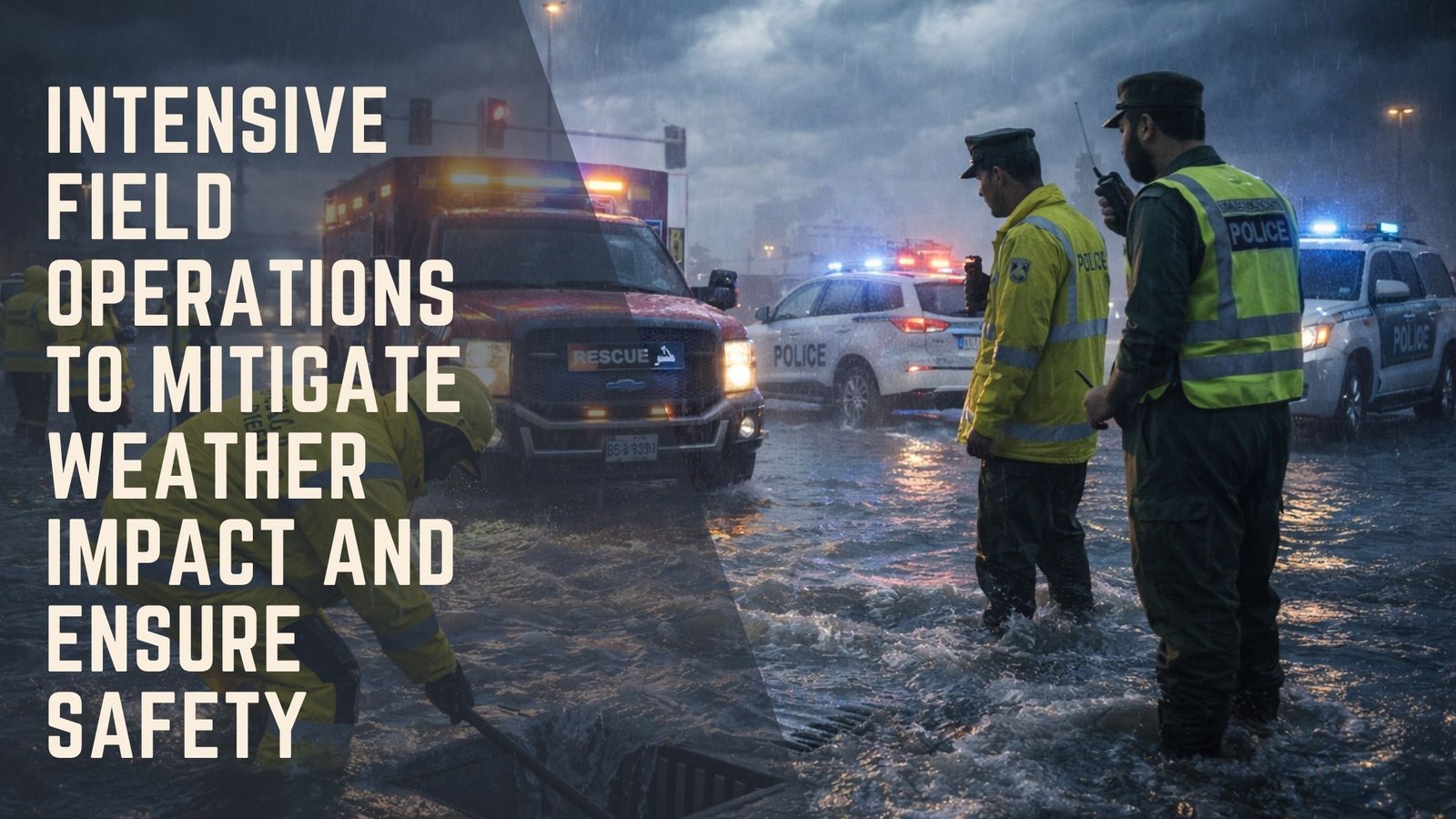
The recent weather disturbance has led to significant flooding across various regions, causing stream overflow and substantial water level increases. These conditions have necessitated the closure of several roads, prompting urgent responses from local authorities to safeguard public safety and minimize disruption.
Emergency Measures and Road Safety
Authorities have swiftly mobilized emergency teams to address the situation. These teams have been tasked with monitoring water levels and ensuring that any road closures are communicated promptly to the public. Traffic management units are working around the clock to reroute vehicles and facilitate the smooth flow of traffic despite the adverse conditions.
In addition to road closures, safety warnings have been issued to residents in affected areas. The public is advised to avoid travel unless absolutely necessary and to stay informed through official channels. This proactive communication strategy aims to prevent accidents and ensure community well-being.
Infrastructure and Community Support
Efforts are underway to bolster infrastructure resilience against such weather events. Municipalities are evaluating drainage systems and implementing improvements where necessary to enhance water flow and reduce the risk of future flooding. This includes clearing blocked drains and reinforcing embankments.
Community support systems have also been activated, with shelters prepared to accommodate those displaced by the floods. Volunteer groups and non-governmental organizations are playing a critical role in providing essential supplies and support to affected families.
Long-term Environmental and Policy Implications
The recent weather challenges have highlighted the need for more robust environmental policies and urban planning strategies. Experts are calling for comprehensive assessments of the current infrastructure and urban development plans to ensure they can withstand extreme weather events. These assessments will inform future policy decisions, aiming to enhance the region’s resilience to climate change impacts.
Climate scientists emphasize the importance of adopting sustainable practices and integrating climate adaptation measures into local governance frameworks. This includes investing in green infrastructure and enhancing early warning systems to better predict and respond to severe weather conditions.
Public Awareness and Education
Raising public awareness about the potential risks associated with extreme weather is crucial. Educational campaigns are being launched to inform residents about emergency preparedness and safety protocols. These initiatives aim to empower communities with the knowledge and tools needed to respond effectively in crisis situations.
Public engagement is also being encouraged through community workshops and seminars, where residents can learn about climate change implications and contribute to local adaptation strategies. By fostering a culture of resilience, authorities hope to build a more informed and prepared society.
Conclusion
The recent adverse weather conditions have underscored the importance of comprehensive planning and swift action in mitigating their effects. Through coordinated efforts involving government agencies, community groups, and residents, the region is working to enhance its resilience to future challenges. Continued investment in infrastructure, policy development, and public education will be key to ensuring long-term safety and sustainability.
