


Table of Contents
UAE’s Ambitious AI Integration Plan Unveiled
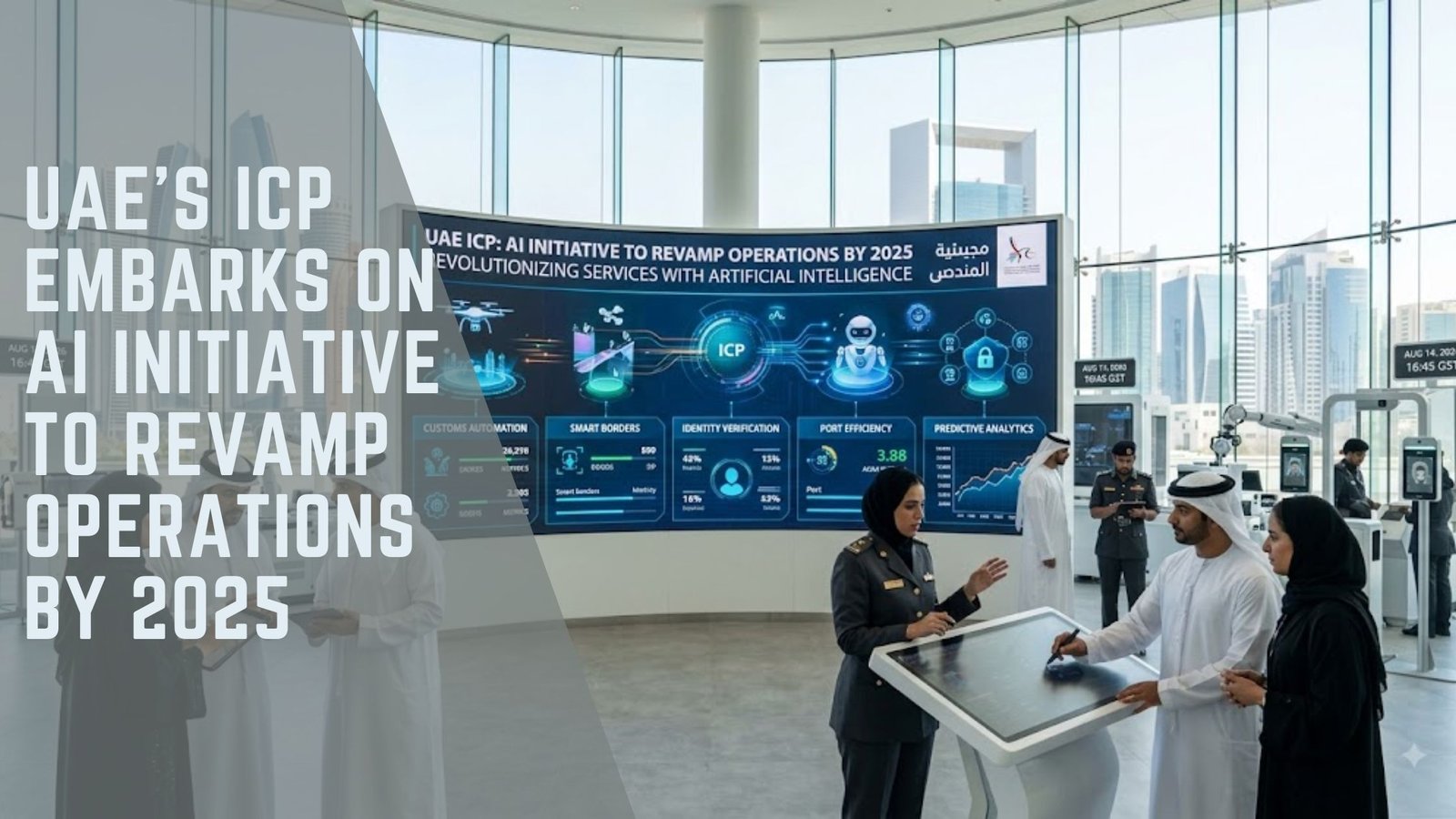
The Federal Authority for Identity, Citizenship, Customs and Port Security (ICP) of the United Arab Emirates has announced a transformative project aimed at integrating artificial intelligence into half of its operations within the next two years. This initiative was revealed during the Agentic AI Forum, held at Jumeirah at Etihad Towers, Abu Dhabi, and forms part of a broader UAE Government strategy to modernize public services through technology.
Leadership and Vision at the Forefront
The forum saw the participation of Major General Suhail Saeed Al Khaili, Director-General of ICP, along with other high-ranking officials. Addressing the gathering, Al Khaili emphasized that the push towards AI-driven operations is aligned with the directives from the UAE leadership. He highlighted the strategic importance of this initiative in ensuring the country’s governmental operations remain at the forefront of technological advancements.
Al Khaili underscored the ICP’s commitment not just to keep pace with global technological trends but to set a precedent in the application of agentic AI within its jurisdiction. This endeavor aims to enhance the authority’s operational readiness and transition into a more efficient model through the practical integration of AI technologies.
Strategic Goals and Expected Outcomes
The Agentic AI Forum served as a platform to consolidate the authority’s vision across various hierarchical levels. Major General Al Khaili described the event as a pivotal step in the ICP’s journey toward establishing itself as a leader in AI deployment among government bodies. The discussions focused on forming alliances, identifying opportunities, and translating strategic aspirations into actionable initiatives.
Key outcomes from the forum included the development of a comprehensive roadmap for AI implementation that promises to enhance productivity, expedite service delivery, and refine decision-making processes, all while empowering human resources to focus on higher-value tasks.
Reengineering Business Processes
Juma Abdullah Al Kaabi, Acting Executive Director of the Digital Transformation Sector, stressed the importance of reengineering business processes to accommodate AI technologies. He noted that this transformation is not purely technological but involves cultivating a culture of innovation and empowering local talent to harness AI’s full potential.
Al Kaabi elaborated on how the transition to agentic AI opens new avenues for enhancing service quality and accuracy within government operations. He emphasized that the ultimate goal is to create a dynamic, proactive government framework that can sustainably meet future challenges.
Project Tracks and Implementation Strategy
The forum also detailed the specific tracks of the Agentic AI project. Brigadier Tariq Mohammed Bin Rabeea outlined the operational and institutional support track, which targets key sectors and phases of implementation, while emphasizing the importance of continuous impact assessment.
Colonel Dr. Hamad Al Hindasi focused on capability building and training, highlighting proposed partnerships and standards to ensure the workforce is well-equipped to operate within an AI-enhanced environment.
Alia Obaid Al Falasi, Chief Artificial Intelligence Officer, discussed the technical aspects required for successful AI adoption, including infrastructure efficiency and security. Her presentation also covered the necessary policies and guidelines to ensure the project aligns with federal standards.
Other tracks discussed included government services and strategic government work, each focusing on specific objectives and methodologies to improve decision-making speed and quality through AI.
Conclusion
As the ICP embarks on this significant transformation, it sets a precedent not only for the UAE but potentially for government operations worldwide. By integrating cutting-edge AI technologies into its core functions, the ICP aims to enhance service delivery and operational efficiency, positioning itself as a leader in government innovation.
