

Table of Contents
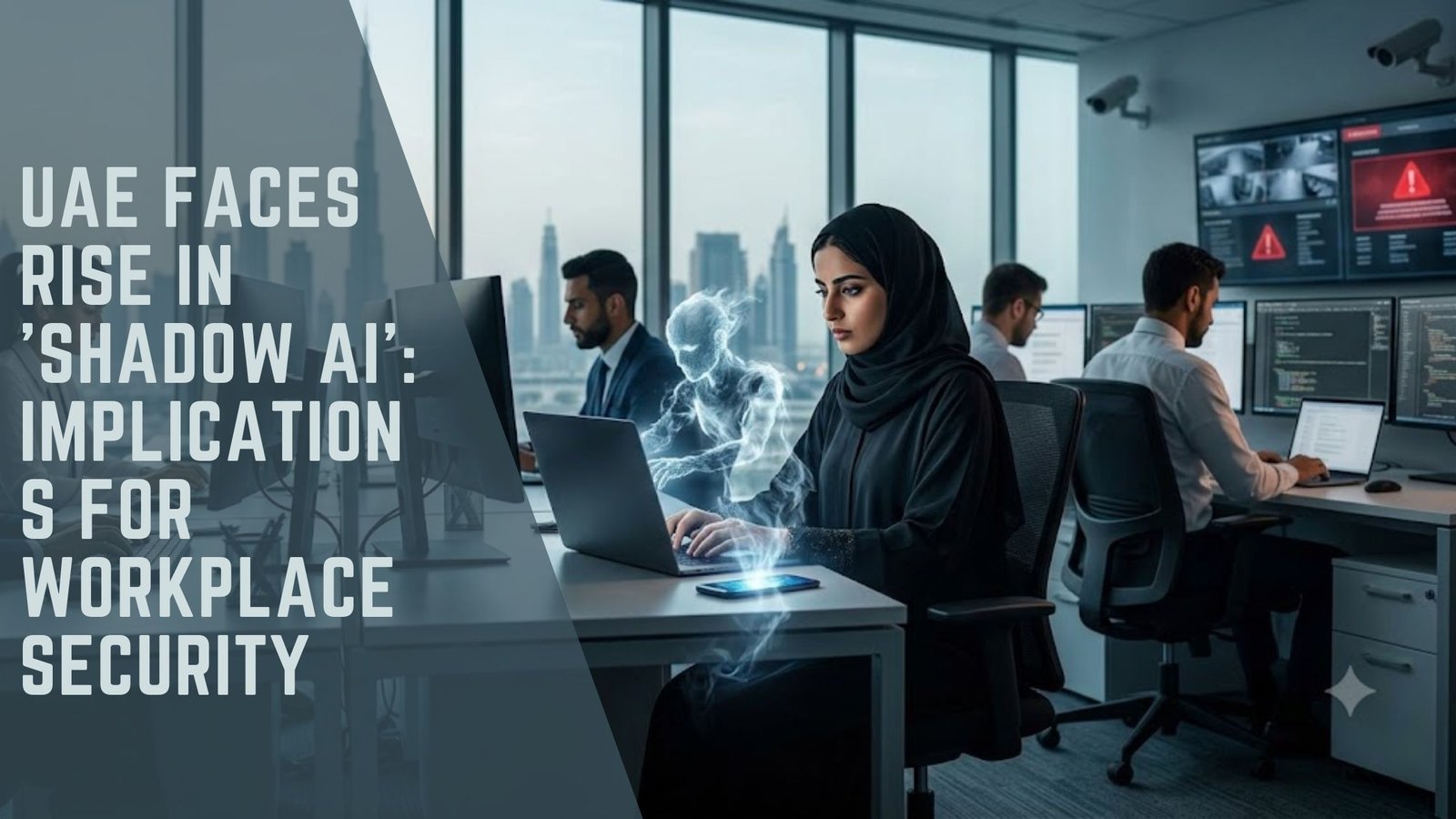
In the United Arab Emirates, a new digital challenge is emerging in the workplace, known as ‘Shadow AI’. Employees are increasingly bringing their own artificial intelligence tools to their jobs without the approval of their organizations, according to experts in corporate law and technology.
Escalating Trend and Security Concerns
Experts caution that while personal AI tools can significantly enhance productivity by saving time and effort, they also pose substantial security risks for businesses. The concept of ‘Shadow AI’ refers to the use of unapproved AI applications by employees, which can lead to data breaches and unauthorized data sharing.
A study conducted by Microsoft and LinkedIn revealed that 78% of AI users across 31 countries, including the UAE, are employing personal AI tools in their work environments. This trend, termed Bring Your Own AI (BYOAI), highlights the growing integration of personal AI applications in professional settings.
Functional Benefits and Cost-Effectiveness
Employees, speaking anonymously, have acknowledged the role of AI tools in their daily tasks. These applications assist in tasks such as text generation, report summarization, data analysis, and contract drafting. The affordability of these tools, with subscriptions ranging from $10 to $20 monthly, makes them an attractive option for enhancing workplace efficiency.
Cybersecurity Implications
Research by KnowBe4 indicates that 41% of employees in the UAE and Saudi Arabia resort to personal AI tools when official options are unavailable, increasing the risk of cyberattacks. More than half of cybersecurity leaders reported that errors made during routine work significantly impacted organizational security in the past year. Time constraints and workplace distractions often lead employees to bypass security protocols.
The UAE’s Cyber Security Council has advised caution regarding AI tools found in search results, as many may not be secure. Users are urged to rely on trusted sources and scrutinize permissions before approving AI tools.
Corporate Challenges and Strategic Responses
Ahmed Shahrouj, a corporate innovation consultant, emphasized the rapid spread of AI in professional settings, often outpacing institutional governance. Shadow AI arises when employees use AI tools outside of organizational controls, posing significant risks to data privacy and security.
Shahrouj advocates for creating an ‘AI Safe Zone’ within organizations, which would formalize the use of AI tools, define permissible data entry, and establish monitoring responsibilities. He stresses the importance of clear information classification to prevent unauthorized data entries into AI systems.
Legal Considerations
Legal advisor Dr. Ammar Ali highlighted the legal risks associated with unapproved AI tools. Under UAE law, unauthorized data processing or disclosure can lead to severe penalties, including fines and imprisonment. Employers are required to implement regulations governing the use of AI and to ensure data protection.
Dr. Ali suggests that the solution lies in regulating AI use rather than prohibiting it, emphasizing the need for institutional policies, employee training, and oversight mechanisms.
Government Guidelines and Frameworks
In May 2024, the UAE Cabinet introduced a guide for the ethical use of AI technologies, aiming to standardize best practices. The Telecommunications and Digital Government Regulatory Authority (TDRA) has also launched a unified interface for government entities to access AI services, ensuring compliance with national regulations.
