


Table of Contents
Lebanon’s Future Hinges on Strategic Military and Diplomatic Efforts
The complex dynamics of Lebanon’s future revolve around the cessation of hostilities, consolidation of military authority under the state, and the advancement of regional and global negotiations. Key insights emerged from the Arab Media Summit, where Elias Bou Saab, Deputy Speaker of the Lebanese Parliament, articulated a vision for restoring stability by bolstering the national army and re-establishing state sovereignty. A critical component of this strategy involves addressing Hezbollah’s armament while simultaneously preparing for a post-conflict Lebanon.
Interconnected Regional Dynamics
The summit, moderated by Sky News Arabia journalist Royer Al-Nakhl, delved into various themes including the war’s impact, the future of southern Lebanon, and the convoluted ties between Lebanon, Hezbollah, and international diplomacy. Bou Saab emphasized that Lebanon’s trajectory cannot be divorced from regional developments, especially in light of ongoing U.S.-Iran negotiations. Although there has been dialogue about isolating the Lebanese issue from broader regional concerns, the intricate relationship between Washington and Tehran remains pivotal in shaping Lebanon’s imminent future.
Political Milestones and Diplomatic Engagements
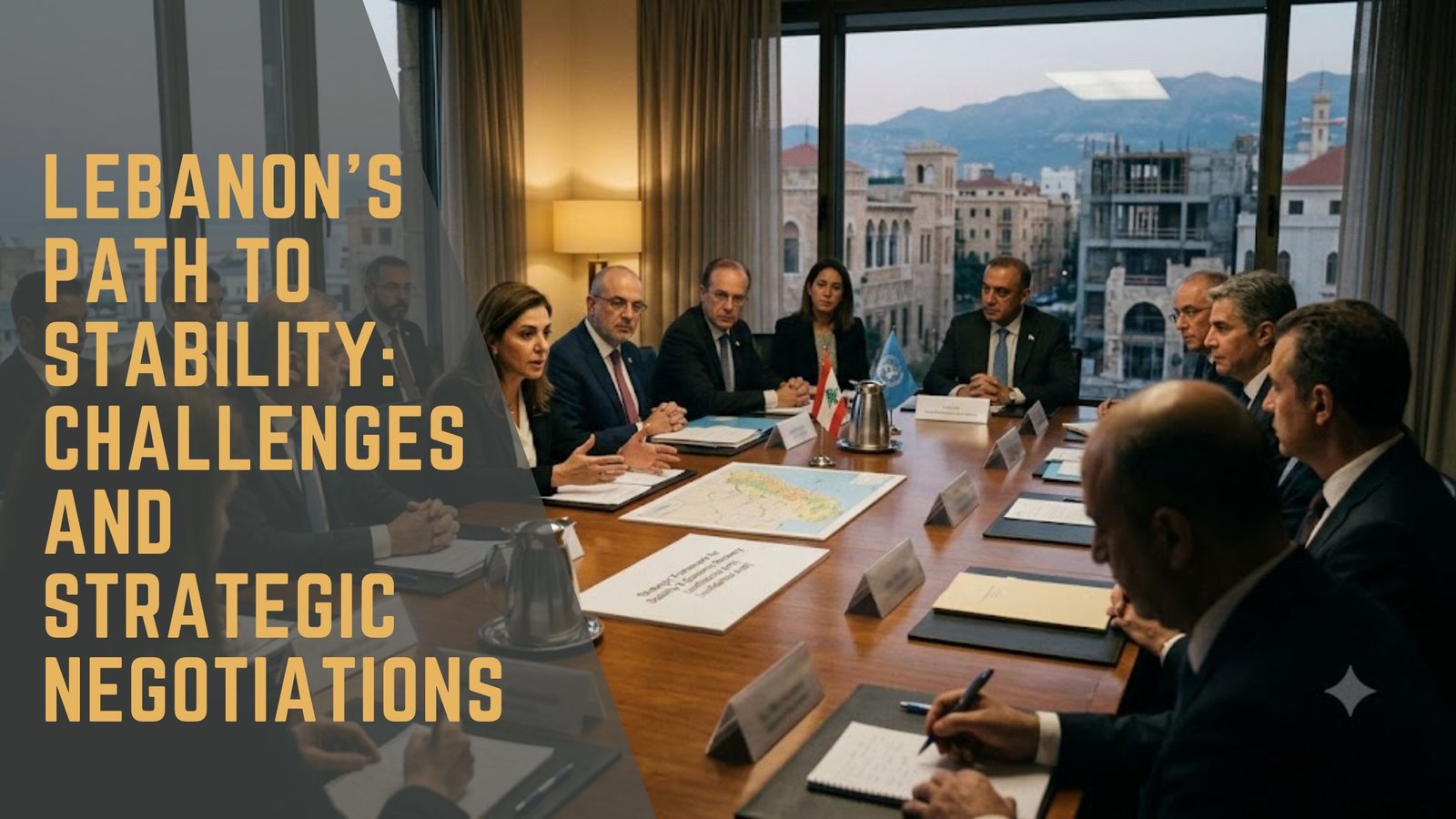
Bou Saab highlighted the significance of upcoming political events, such as Israeli elections and U.S. midterms, which contribute to a regional period of anticipation. During this interim, maintaining stability and averting escalation into a broader conflict becomes essential. Bou Saab further discussed the negotiations between Lebanon and Israel, initially conducted in Washington and subsequently in Rome, pointing out how shifts in U.S. involvement reflect the evolving international interest in these discussions.
Centrality of the Weapons Issue
The discourse on stability places the control of weapons at its core. Bou Saab asserted that the Lebanese Army and its armed forces must be the exclusive bearers of arms in Lebanon’s future. He acknowledged that achieving this requires Hezbollah’s cooperation with state institutions. The Lebanese government, represented by the president and other officials, remains the sole entity authorized to negotiate on behalf of the state. However, Bou Saab noted that the execution of any agreement’s provisions hinges on the state’s capacity and Hezbollah’s willingness to engage constructively with the government.
Avoiding Internal Military Confrontation
Instead of opting for military intervention, Bou Saab advocated for negotiation and diplomacy, cautioning against forcing the army into confrontations that could destabilize Lebanon further. A current proposal under consideration involves deploying the Lebanese Army across southern Lebanon in collaboration with Hezbollah, focusing on cooperation rather than forced disarmament. This approach aims to enable the military to gather intelligence and plan strategically, with southern Lebanon marking the initial phase of this process.
Hezbollah’s Regional Affiliations and National Interests
Bou Saab addressed the intricate relationship between Hezbollah and Iran, asserting his opposition to Lebanon being used as a battleground for regional conflicts. He criticized foreign narratives that depict Lebanon as a retaliatory arena, viewing such portrayals as affronts to Lebanese sovereignty. Emphasizing the importance of prioritizing national interests, Bou Saab urged for a consensus on weapon control and the state’s role as pivotal steps toward restoring confidence and stability.
Proactive Planning for Post-War Reconstruction
Looking beyond the current crisis, Bou Saab emphasized the necessity of proactive planning for Lebanon’s reconstruction and revitalization of its economic and state institutions. He reminisced about the UAE’s support following the July 2006 war, underscoring the significance of international aid in rebuilding efforts, which could resume once stability is reestablished. Bou Saab conveyed optimism about Lebanon’s capacity to recover from conflict, asserting that war is not perpetual and that a newfound era of peace and economic revival is achievable.
