


Table of Contents
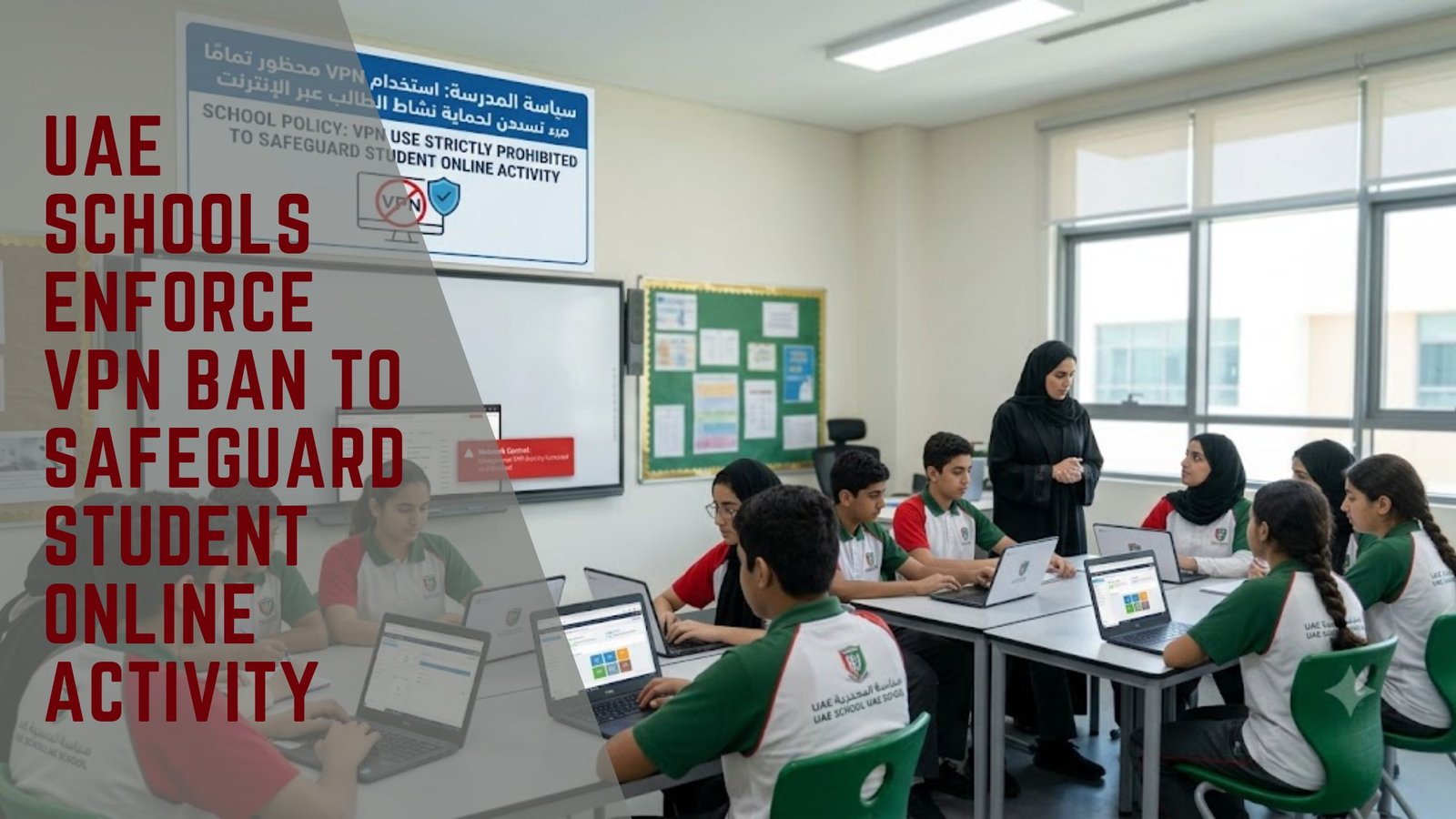
In a decisive move to enhance digital safety, private schools in the United Arab Emirates have instituted a ban on the use of Virtual Private Network (VPN) applications on their campuses. This initiative aims to restrict unauthorized access to private virtual platforms through school networks, unless specifically approved for legitimate educational or administrative purposes.
Comprehensive Digital Use Policies Implemented
The educational establishments have outlined clear guidelines regarding the use of personal devices within school environments and during extracurricular activities. These policies, disseminated to students, parents, staff, and visitors through official school channels, emphasize a commitment to protecting students from cyber threats.
Schools have introduced robust systems and awareness programs to educate students about potential cyber hazards and the impact of their digital habits. By implementing advanced filtering systems and monitoring internet usage on school devices, these institutions aim to periodically analyze and identify any violations or negative digital trends. Additionally, a dedicated team has been formed to support students who exhibit risky or excessive digital behaviors.
Identifying Key Cyber Risks
Educational authorities have pinpointed four primary cyber risks that students might face, urging schools to ensure student safety from these threats. These risks include exposure to illegal or harmful content that could affect mental well-being, unsafe online communications with potentially fake profiles, destructive online behavior such as cyberbullying, and financial risks like phishing and gambling.
Parents are encouraged to actively monitor their children’s digital device usage outside school hours to promote safe and appropriate online behavior.
Expert Insights on VPN Restrictions
Prominent educators Mohamed Ghoneim, Amani Khurshid, and Sahar Nadi have endorsed the restrictions on VPN applications as a proactive measure to prevent access to potentially harmful content. They highlighted that merely banning these applications is not enough; a comprehensive strategy combining filtering tools, monitoring, and continuous awareness is essential.
These educators stress the importance of clear communication of these restrictions to students and parents, ensuring exceptions for genuine educational and administrative uses. This clarity helps prevent obstacles in utilizing modern technologies for learning. They advocate for fostering a culture of digital responsibility and dialogue about the dangers of inappropriate content, bullying, and online fraud.
Parental Involvement Crucial
Social workers and academic advisors including Walid Nasri, Samer Mukhtar, Taif Hamed, and Reem Mohi El-Din have underscored the critical role parents play in this digital safety endeavor. Schools are organizing introductory meetings to discuss educational plans for the academic year, providing parents with insights into expectations, curriculum details, and behavioral guidelines.
These meetings emphasize that the responsibility for shielding students from electronic risks extends beyond school boundaries. Families must establish clear rules for digital device usage and maintain open discussions with children about their online interactions. Advisors caution that effective parental control should not equate to spying but should involve educating children on handling fake accounts, cyberbullying, and phishing attempts. They also advise parents to be vigilant for any sudden changes in their children’s behavior, which may indicate exposure to digital threats.
