


Table of Contents
Introduction to Pre-Eid Syndrome
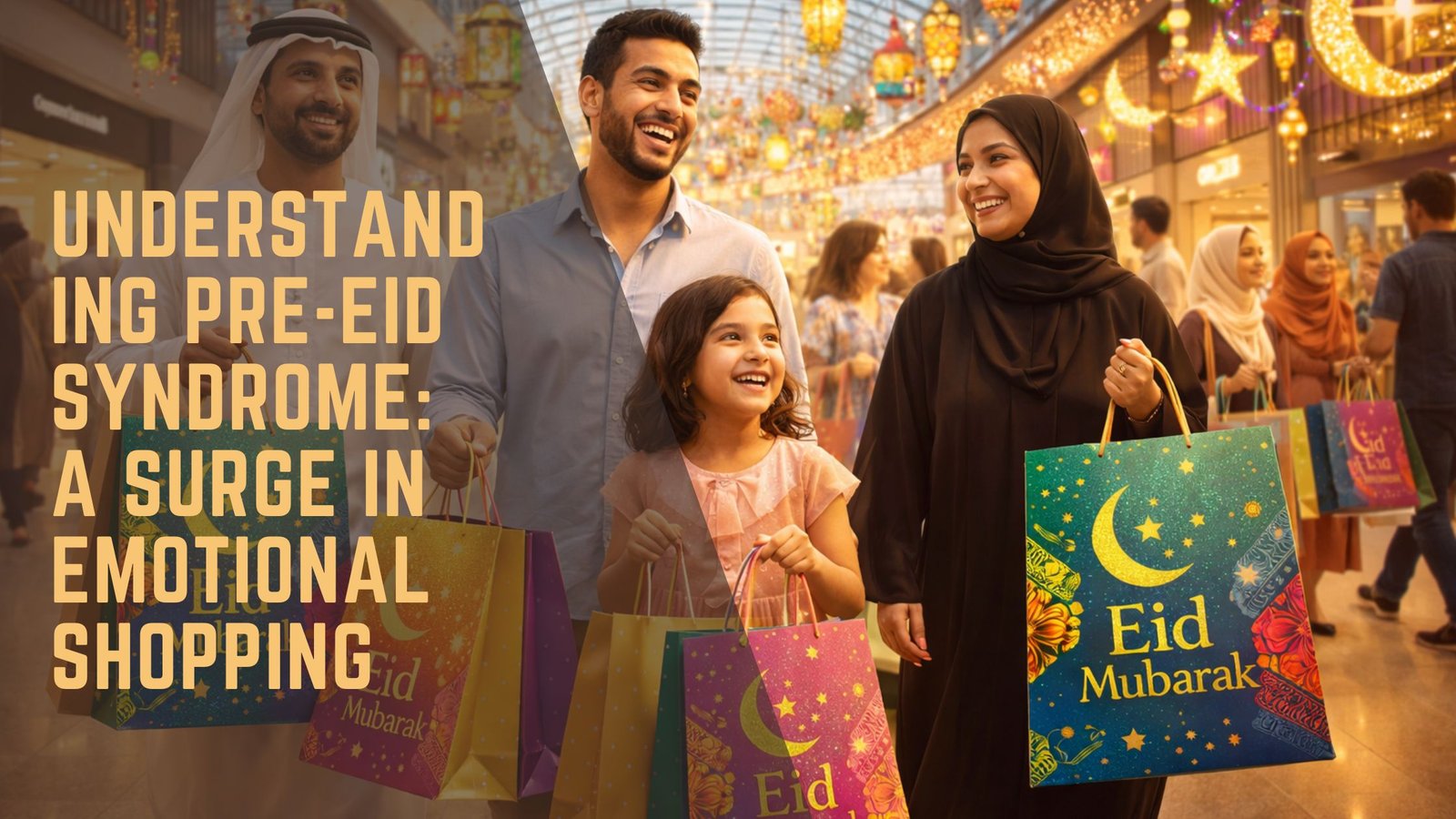
As Ramadan draws to a close, health professionals are raising alarms about an emerging psychological and behavioral phenomenon known as “Pre-Eid Syndrome.” This condition is characterized by a temporary but intense urge for emotional shopping, particularly in the days leading up to the Eid celebrations.
What is Pre-Eid Syndrome?
Pre-Eid Syndrome refers to a psychological state where individuals experience heightened emotional responses, often leading to excessive shopping as a means of coping with stress and anxiety. This behavior typically escalates during the last week of Ramadan, a time when many are preparing for the festive Eid celebrations.
The Psychological Impact of Ramadan
Doctors explain that the emotional toll of Ramadan, combined with societal pressures to celebrate Eid in a grand fashion, can trigger feelings of inadequacy. This may lead individuals to indulge in shopping sprees as a way to fulfill perceived expectations or to enhance their festive experience.
Signs of Emotional Shopping
Experts have identified several indicators of emotional shopping behavior. These may include:
- Purchasing items that are not needed or planned for.
- Feeling a temporary high or relief after shopping, followed by guilt or regret.
- Using shopping as a distraction from personal issues or stressors.
Consequences of Pre-Eid Syndrome
The repercussions of Pre-Eid Syndrome can be significant. Financial strain is one of the most immediate consequences, as individuals may overspend their budgets in pursuit of holiday joy. Additionally, the emotional aftermath can lead to feelings of emptiness and dissatisfaction once the celebrations conclude.
Strategies for Combatting Pre-Eid Syndrome
Healthcare professionals recommend several strategies to mitigate the effects of Pre-Eid Syndrome:
- Budgeting: Establish a clear budget for Eid shopping to avoid overspending.
- Mindfulness: Engage in mindfulness practices to stay present and reduce anxiety around the holiday.
- Alternative Celebrations: Focus on non-materialistic ways to celebrate Eid, such as spending time with loved ones or engaging in community service.
Conclusion
As the joyous occasion of Eid approaches, it is crucial to recognize and address the signs of Pre-Eid Syndrome. By understanding this phenomenon and implementing strategies to combat it, individuals can enjoy a more meaningful and emotionally fulfilling celebration. Health professionals continue to advocate for awareness and education around this issue, aiming to foster a healthier relationship with shopping and emotional well-being during the festive season.
