


Table of Contents
Dubai Expands Infrastructure with New Four-Lane Bridge
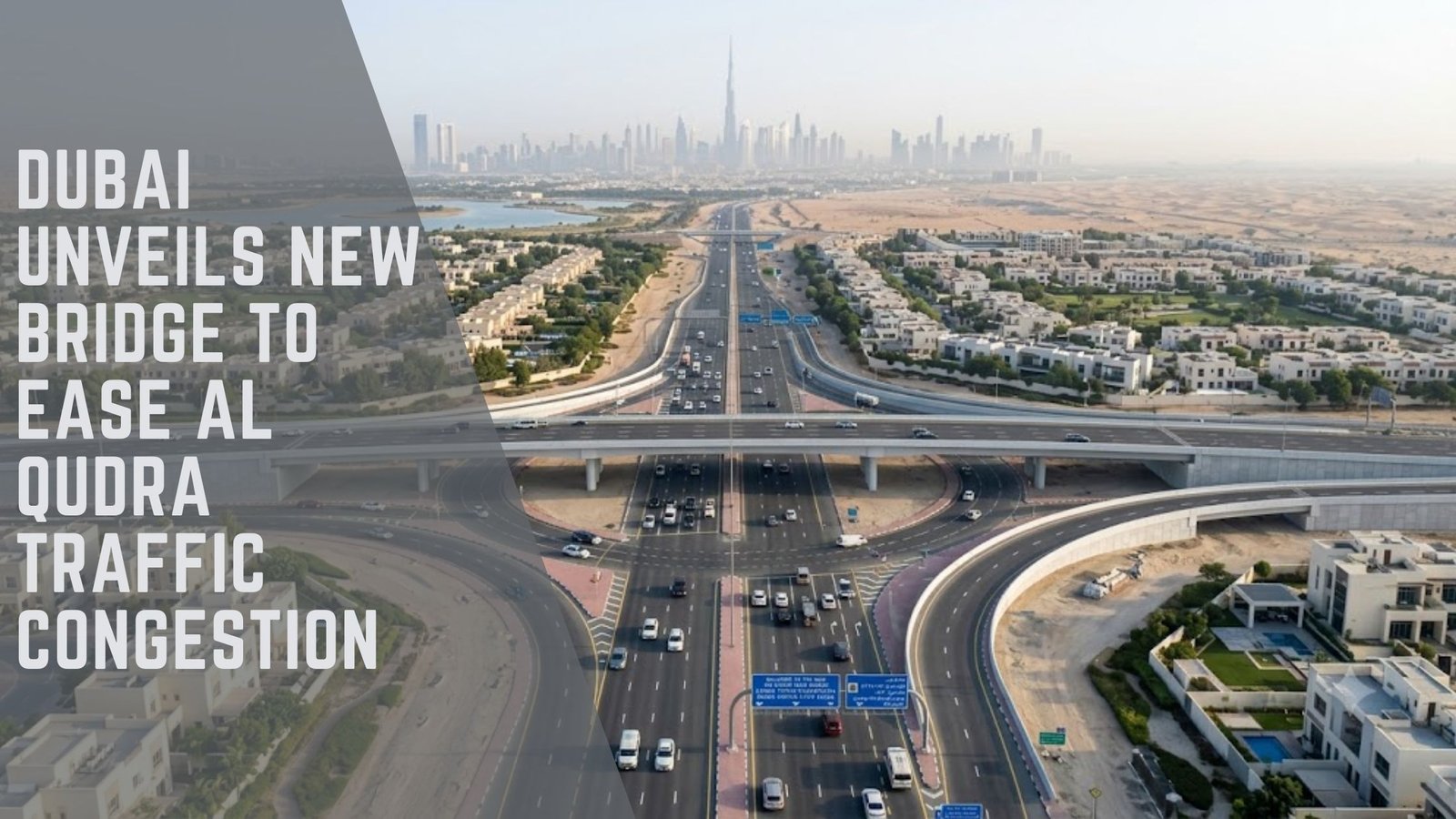
Dubai’s Roads and Transport Authority (RTA) has officially opened a new bridge at the bustling intersection of Al Qudra Street and Sheikh Zayed bin Hamdan Al Nahyan Street. This development marks a significant step in the comprehensive Al Qudra Street Development Project, aimed at improving transportation efficiency in the area.
Bridge Features and Capacity
This newly inaugurated bridge extends 700 meters and is designed with four lanes, capable of supporting a traffic flow of up to 6,000 vehicles per hour. It primarily facilitates movement from Al Qudra Street towards the Al Qudra City area, streamlining traffic and reducing congestion.
Completion of Main Bridge System
The opening of this bridge complements an earlier development completed in February, which involved a bridge serving traffic from Al Qudra City towards Umm Suqeim. Together, these bridges form a crucial component of the intersection’s main bridge system, enhancing connectivity along key road corridors.
Future Enhancements Planned
The RTA has announced that additional improvements at this intersection are expected to be finalized by the fourth quarter of 2026. These enhancements will include side ramps that enable free-flowing traffic in all directions, further optimizing the area’s transport network.
Upcoming Infrastructure Developments
- A 500-meter bridge directing traffic from Al Qudra Street towards Sheikh Zayed bin Hamdan Al Nahyan Street, heading to Jebel Ali.
- A 900-meter bridge for vehicles traveling towards Dubai’s city center and the Dubai International Airport.
- Construction of three kilometers of service roads on both sides of Sheikh Zayed bin Hamdan Al Nahyan Street, facilitating access to surrounding developments.
Upon completion, the intersection’s capacity is projected to rise from 7,800 vehicles per hour to 19,400 vehicles per hour, significantly reducing waiting times by approximately 85%.
Project Support for Dubai’s Expansion
According to Mattar Al Tayer, Director-General and Chairman of the Board of Executive Directors of the RTA, this project is a testament to the leadership’s commitment to developing world-class infrastructure, aligned with Dubai’s rapid urbanization and population growth. Al Tayer emphasized the project’s role in enhancing transport efficiency, bolstering quality of life, and reinforcing Dubai’s status as a global leader in infrastructure provision.
Travel Time Reduction and Area Impact
The broader Al Qudra Street Development Project encompasses several initiatives designed to decrease travel time by 70%, reducing journey durations from 9.4 minutes to 2.8 minutes. This includes the creation of multiple intersections, the construction of bridges totaling 4,000 meters, and the expansion of 11.6 kilometers of Al Qudra Street.
Areas Benefiting from the Project
- Arabian Ranches 1 and 2
- Dubai Motor City
- Dubai Studio City
- DAMAC Hills
- Mudon
- The Sustainable City
- Akoya
These communities collectively host or attract over 400,000 residents and visitors, highlighting the project’s significant impact on local traffic dynamics.
Recent Infrastructure Milestones
Earlier this year, RTA opened a 1,200-meter bridge connecting Al Qudra Street with a road linking Arabian Ranches and Dubai Studio City. This development increased intersection capacity from 6,600 vehicles per hour to 19,200 vehicles per hour, while cutting waiting times by more than half, from 113 seconds to 52 seconds.
Additionally, in May, improvements at the Emirates Road-Al Qudra Road intersection were completed, which included a new service road towards Jebel Ali and a free-flow ramp catering to traffic heading to Al Qudra City. Further enhancements are expected this month, including another free-flow ramp for traffic traveling from Jebel Ali to Umm Suqeim via Al Qudra Road.
The Al Qudra Street Development Project also incorporates widening efforts across essential corridor sections and the construction of a new 4.8-kilometer road in the southern developers’ area, further facilitating access to major residential and development projects and supporting the Dubai Urban Plan 2040 goals.
